What happens to your garment, in order
A dress with a date on it is a different job from a pair of trousers. Both start the same way, though: you bring it in, and it gets looked at properly.
A small alterations shop on West Street in Sowerby Bridge. Hems, zips, buttons, taking in, letting out, patching and darning. Bride, bridesmaid and prom dress alterations are the speciality here.
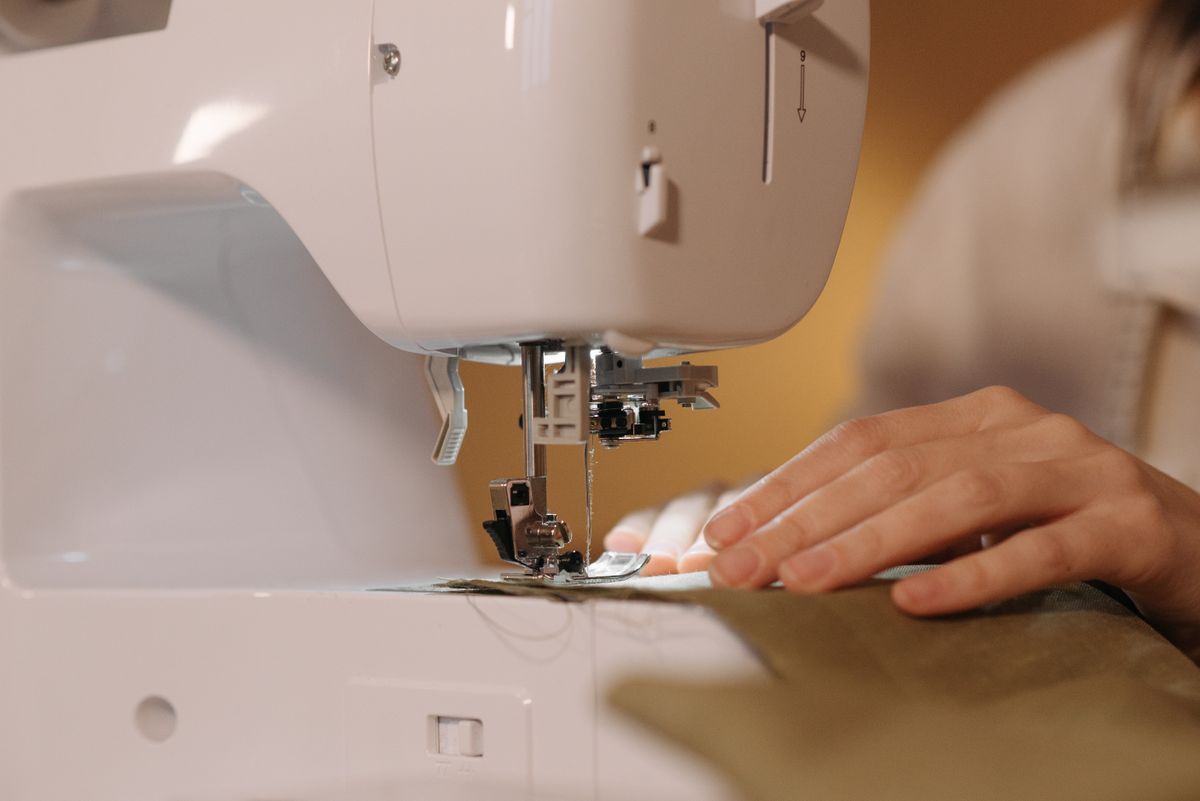
From the doorway to the hanger
Seven stages, in the order they actually happen. This is what to expect when you walk in with something that does not fit.
-
Before you come
Bring the shoes you will actually be wearing, and the underwear you will have on underneath. A hem is measured from the floor up, so an inch of heel changes it completely.
Wear the garment in rather than carrying it in a bag, if you can. The first look is then at how it sits on you, not how it hangs on a rail.
The one thing people forget: the shoes. A hem pinned in flats and worn in heels is a hem done twice.
-
The first fitting
You put it on and you stay standing. Everything is pinned while you are upright, because fabric settles the moment you sit down. A hem levelled in a chair is not level when you get up.
We work round you. How long the hem wants to be. Where the waist actually falls. Whether the shoulders are the real problem rather than the waist.
It is quicker than most people expect, and it decides everything that follows.
-
What we will tell you honestly
Some things can be taken in and some cannot. A seam has a limit: there is only so much fabric folded away inside it. Letting out only works if somebody left something there to let out.
Linings, pleats, pockets, boning and printed panels all change what is possible. So does where the shaping was built in.
If the answer is no, you hear it at the counter. Not after the garment has sat here a fortnight.
Advice is part of the job. What a garment actually needs is not always what you came in asking for.
-
The work itself
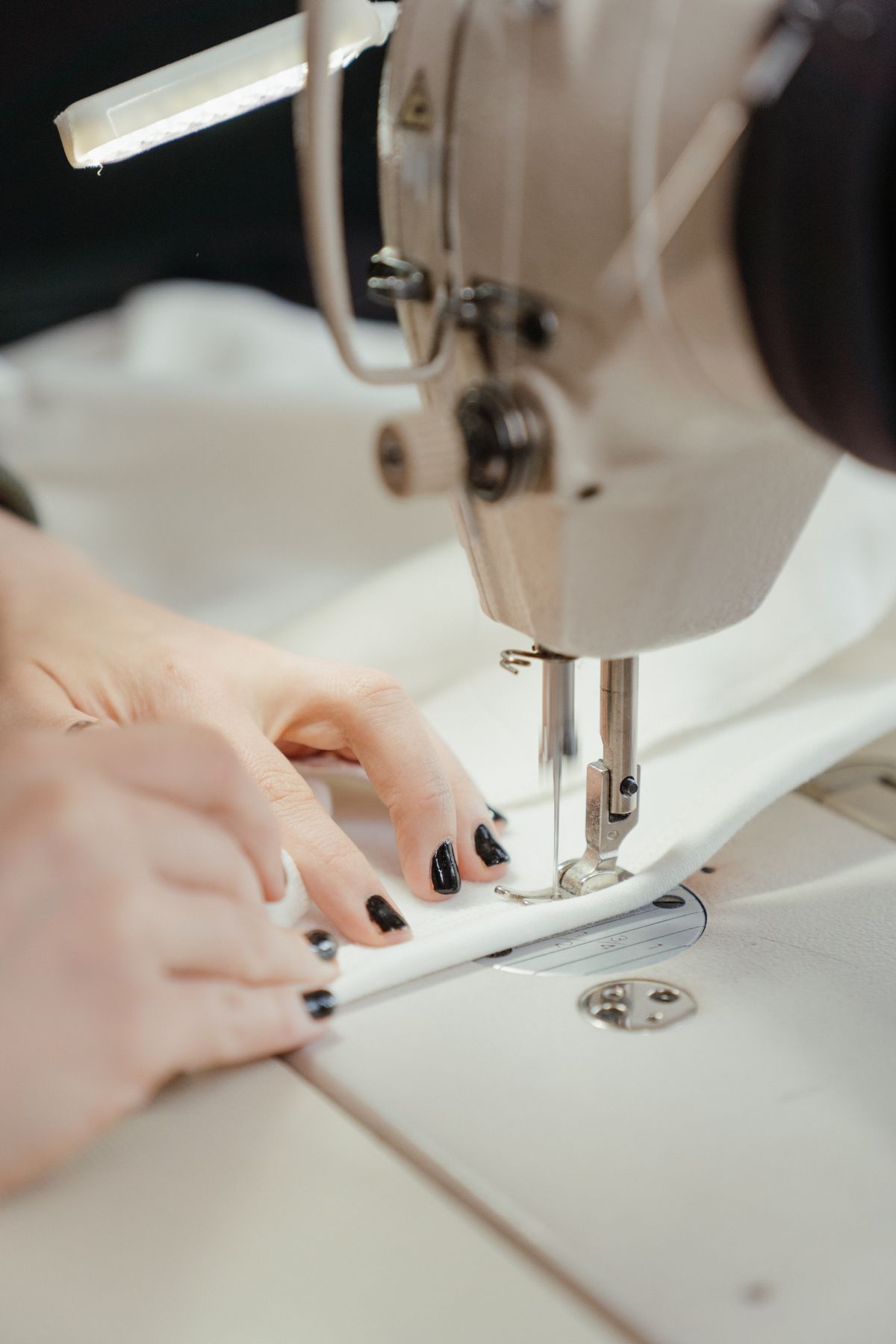
The ordinary, unglamorous work that makes clothes fit and keeps them going. Hems taken up, zips put right, seams moved, holes closed.
Most of it is invisible when it is done properly. That is the whole point of it.
Below is what the shop does. If your job is not on the list, ring and ask rather than guess. And if you are unsure which of these your garment needs, that is what the counter is for.
- Clothing alterations of all kinds
- Repairs and mending
- Hemming and taking up trousers
- Skirts and dresses shortened
- Resizing, taking in and letting out
- Zip repair and replacement
- Button replacement
- Patching and darning
- Bridal dress alterations
- Bridesmaid dress alterations
- Prom dress alterations
- General tailoring and adjustment
-
Bridal, bridesmaid and prom
These need more time, and usually more than one fitting. There is simply more in them: more layers, more lining, more structure.
A bodice taken in at the side has to be looked at again once the lining and the boning are back where they belong.
Bring the shoes, bring the underwear, and bring the dress in early rather than late. Weeks rather than days, especially when a whole bridal party has to hang right together.
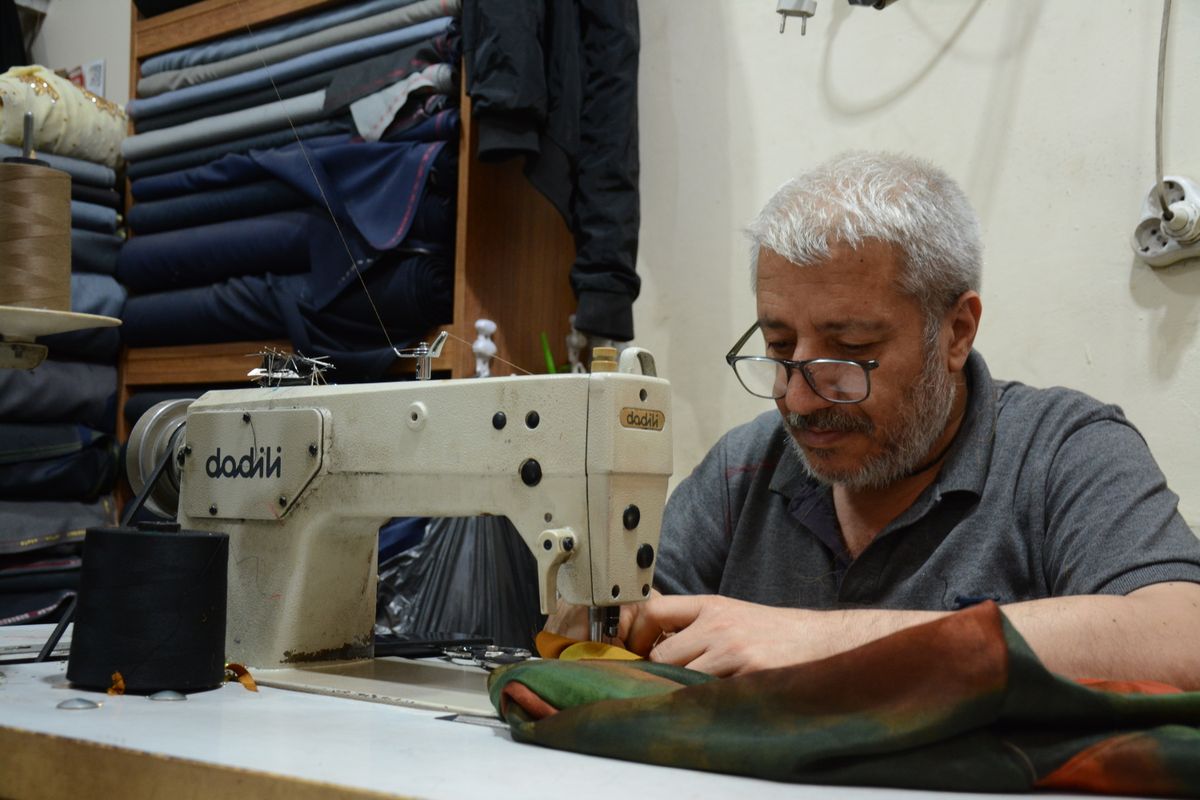
Why more than one fitting: taking a dress in changes how the next alteration sits. The second look is not fussiness. It is the only way to be sure.
-
Collection
You will be told when to come back for it. Try it on before you leave, in the same shoes and the same underwear you were fitted in.
Anything that wants a nudge is far easier to sort out while you are standing there. Payment is at the counter when you collect, and nothing is asked for in advance.
-
And afterwards
If it still is not right, bring it back. A hem that catches, a zip gone stiff, a waistband a shade tight after a full day in it.
Better to hear about it than to have an altered garment sitting unworn in the wardrobe. Come in, or ring first if that is easier.
What we hold ourselves to
A repair that does not announce itself. The garment back to you without a long wait. And the small things: the thread matched, the seam pressed, the second sleeve checked against the first.
That is the standard the shop works to. Most of the work here arrives by word of mouth, from somebody in the valley who has already had something mended.
Find us, or ask first
The shop is on West Street, in the middle of Sowerby Bridge. Walk in with the garment. That is usually the fastest way to a straight answer about it.
Ring first if you are making a special trip — weekday closing can vary.